
If you’re planning to move your motorcycle over a long distance, understanding how motorcycle towing works is key. Whether it’s due to a breakdown, relocation, or a trip, knowing the ins and outs of towing can save you time, money, and stress. This guide will walk you through the basics of motorcycle towing, the different methods available, and how to prepare your bike for transport.
Key Takeaways
- Motorcycle towing requires specific equipment to ensure safety during transport.
- Flatbed towing is often the best choice for long distances to prevent damage.
- Always secure your motorcycle properly before towing to avoid accidents.
- Costs can vary widely; get quotes from multiple services for the best deal.
- Research towing companies and read reviews to find reliable services.
Understanding Motorcycle Towing Basics
What Is Motorcycle Towing?
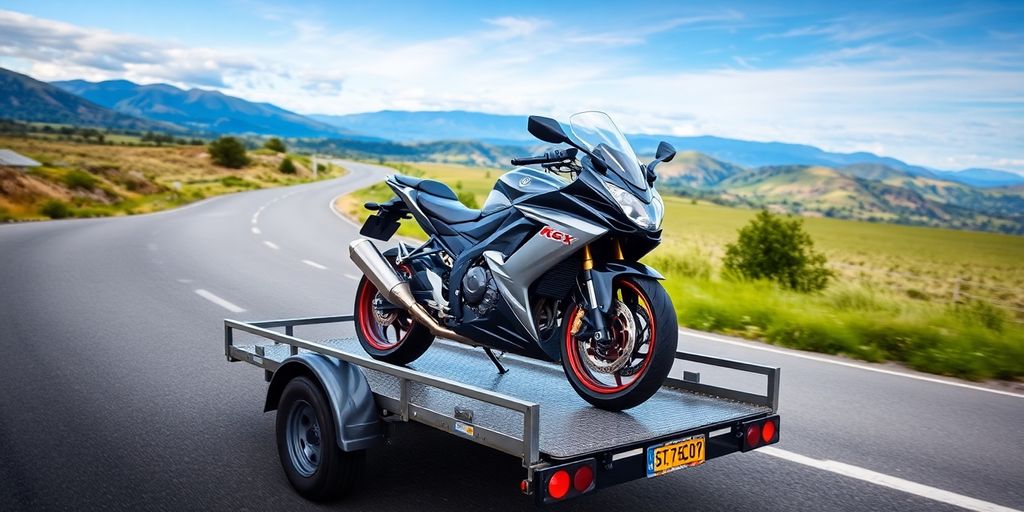
Motorcycle towing is the process of transporting a motorcycle from one location to another using specialized equipment and techniques. It’s not just about hooking up a bike and driving off; it involves understanding the specific needs of motorcycles to prevent damage during transit. Whether your bike has broken down, you’re moving it across the country, or you’ve purchased a motorcycle that needs to be brought home, knowing the basics of motorcycle towing is important.
Types of Towing Equipment
Different situations call for different tools. Here’s a quick rundown of common towing equipment:
- Flatbed Tow Trucks: These are often considered the safest option. Your motorcycle is secured to the flatbed, eliminating wheel contact with the road.
- Tow Dollies: These lift only one wheel off the ground. While sometimes used, they aren’t always ideal for motorcycles, especially for long distances.
- Motorcycle Trailers: These trailers are specifically designed to carry motorcycles, offering a secure and enclosed or open platform.
Choosing the right equipment is important for the safety of your motorcycle. A flatbed is often the best choice, but trailers can also work well, especially for longer trips.
Safety Considerations for Towing
Towing a motorcycle safely requires careful planning and execution. Safety should always be your top priority. Here are some key considerations:
- Proper Securing: Use appropriate straps and tie-down points to ensure the motorcycle is stable and won’t shift during transport.
- Weight Distribution: Distribute the weight evenly to prevent swaying or instability during towing.
- Regular Checks: Stop periodically to check the straps and ensure everything is still secure.
- Driving Speed: Maintain a safe speed and avoid sudden maneuvers that could put stress on the tie-downs.
| Safety Aspect | Description |
|---|---|
| Straps | Use high-quality straps designed for motorcycle towing. |
| Tie-Down Points | Ensure tie-down points are strong and properly positioned. |
| Speed | Drive at a moderate speed, especially on uneven roads. |
| Weather Conditions | Be aware of weather conditions and adjust your driving accordingly. |
| Pre-Trip Inspection | Always double-check all connections and straps before starting your trip. |
Choosing the Right Towing Method
Choosing the correct towing method for your motorcycle is important for its safety and your peace of mind. Different situations call for different approaches, and understanding the options available will help you make an informed decision. Let’s explore the common methods and when they are most appropriate.
Flatbed Towing vs. Tow Dollies
When it comes to motorcycle towing, you’ll generally encounter two main options: flatbed towing and tow dollies. Flatbed towing involves loading your entire motorcycle onto a flat platform, ensuring that none of its wheels are in contact with the road. This is often considered the safest method, as it minimizes the risk of damage from road debris or uneven surfaces.
Tow dollies, on the other hand, lift only one wheel (usually the front) off the ground, while the other remains in contact with the road. While this can be a more economical option, it’s not always suitable for motorcycles, especially for long distances or if your bike has specific requirements. Consider the distance and road conditions when choosing between these two.
Here’s a quick comparison:
| Feature | Flatbed Towing | Tow Dolly |
|---|---|---|
| Safety | Generally safer, less risk of damage | Higher risk, especially for long distances |
| Distance | Suitable for all distances | Best for short distances |
| Motorcycle Type | Suitable for all motorcycles | May not be suitable for all types |
| Cost | Typically more expensive | Generally less expensive |
When to Use a Tow Truck
Knowing when to call a tow truck is important. If your motorcycle has a mechanical issue that prevents it from running, or if you’ve been involved in an accident, a tow truck is the way to go. Trying to ride a damaged motorcycle can be dangerous, and pushing it yourself is often impractical.
Consider these scenarios:
- Mechanical Breakdown: Engine failure, flat tire, or other issues that render the bike unrideable.
- Accident: Any collision, regardless of severity.
- Long-Distance Transport: Moving your motorcycle across states or long distances.
- Safety Concerns: If you feel unsafe riding your motorcycle for any reason.
Benefits of Professional Towing Services
Hiring a professional towing service offers several advantages over attempting to tow your motorcycle yourself. First and foremost, they have the right equipment and experience to handle your bike safely and efficiently. They’ll know how to properly secure your motorcycle to prevent damage during transport.
Furthermore, professional services typically offer insurance coverage, protecting you from liability in case of an accident during the towing process. They also provide peace of mind, knowing that your motorcycle is in capable hands.
Attempting to tow a motorcycle yourself without the proper equipment or experience can lead to further damage to your bike or even an accident. It’s often worth the investment to hire a professional and ensure the job is done right.
Choosing a professional service ensures:
- Proper equipment and techniques are used.
- Your motorcycle is secured correctly.
- Insurance coverage protects against potential damage.
- You have peace of mind knowing experts are handling the job.
Preparing Your Motorcycle for Transport
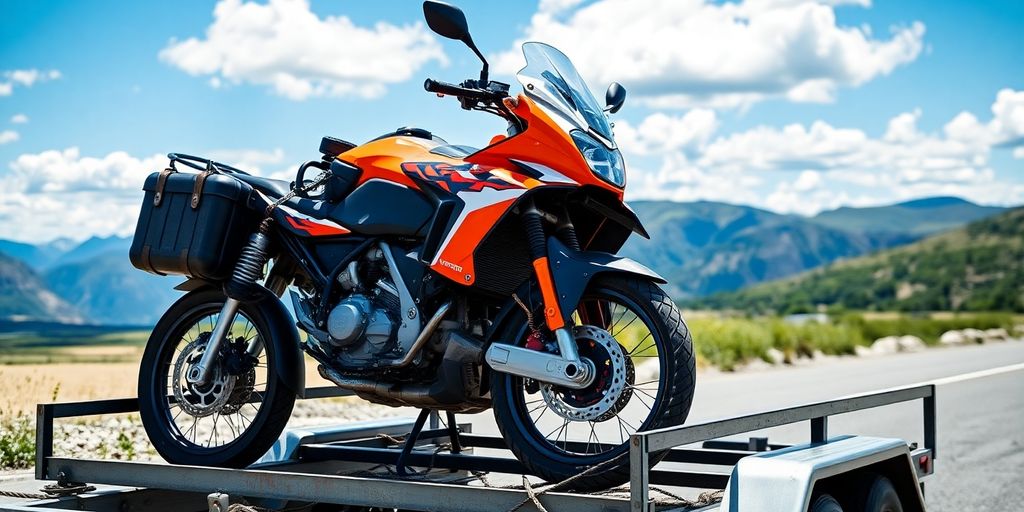
Getting your motorcycle ready for a long haul is important. It’s not just about slapping some straps on it and hoping for the best. Taking the time to prep properly can save you a lot of headaches and potential damage down the road. Let’s walk through the steps to ensure your bike arrives safe and sound.
Essential Pre-Towing Checks
Before you even think about loading your motorcycle onto a trailer or flatbed, give it a thorough once-over. This is your chance to catch any potential problems before they become bigger issues during transport. Here’s a quick checklist:
- Tire Pressure: Make sure your tires are properly inflated. Check the manufacturer’s recommended pressure, usually found on a sticker on the bike or in the owner’s manual.
- Fluid Levels: Check your oil, coolant, and brake fluid levels. Top them off if needed. A long tow can put extra stress on your bike, and you want to make sure everything is properly lubricated and cooled.
- Battery: Ensure your battery is securely connected and in good condition. A loose connection can cause problems during transport.
Taking a few minutes to do these checks can prevent a lot of problems later. It’s like a quick health checkup for your bike before a big trip.
Securing Your Motorcycle
This is where things get serious. Properly securing your motorcycle is the most important part of the entire process. If your bike isn’t tied down correctly, it can shift, fall over, and sustain serious damage. Here’s how to do it right:
- Use Soft Ties: Always use soft ties around your motorcycle’s frame or forks to protect the paint and finish. Avoid attaching straps directly to painted surfaces or delicate components.
- Choose Strong Straps: Invest in high-quality ratchet straps with a sufficient weight rating. Don’t skimp on this – cheap straps can break, leading to disaster.
- Find Secure Anchor Points: Look for sturdy anchor points on the trailer or flatbed. Make sure they’re strong enough to handle the weight of your motorcycle.
- Compress the Suspension: Tighten the straps until the suspension is compressed about halfway. This will help stabilize the bike and prevent it from bouncing around during transport.
- Use at Least Four Straps: Use at least four straps – two in the front and two in the rear – to secure the motorcycle. Angle the straps outwards to provide maximum stability.
What to Remove Before Towing
To minimize the risk of damage during transport, it’s a good idea to remove any loose or easily damaged items from your motorcycle. This includes:
- Windshields: Windshields can be vulnerable to cracks and scratches during transport. Remove it if possible.
- Saddlebags: Empty saddlebags and, if easily detachable, remove them altogether. This reduces weight and prevents them from flapping around.
- Mirrors: Fold in or remove your mirrors to prevent them from getting knocked off or broken.
- Any Loose Items: Remove anything else that could potentially come loose during transport, such as GPS units, phone mounts, or tank bags.
By taking these precautions, you can help ensure that your motorcycle arrives at its destination in the same condition it left in. It’s all about being proactive and taking the time to do things right.
Cost Factors in Motorcycle Towing
Average Towing Rates
When you’re looking at motorcycle towing, understanding the average rates is the first step. Typically, you’ll encounter a base fee plus a per-mile charge. The base fee covers the tow truck getting to your location and the initial setup. The per-mile charge accounts for the distance your motorcycle needs to be transported.
- Base fees generally range from $75 to $150.
- Per-mile rates can vary from $2.50 to $5.00.
- These rates can fluctuate based on the time of day, day of the week, and the specific towing company.
Keep in mind that these are just averages. The actual cost can depend on several factors, including the type of motorcycle, the distance of the tow, and the specific services required. Always get a clear estimate before agreeing to any towing service.
Additional Fees to Consider
Beyond the base rate and per-mile charge, several other fees might pop up. Being aware of these potential costs can help you avoid surprises. For example, if your motorcycle needs to be towed from a difficult location, like a ditch or a tight parking spot, there might be an additional charge for the extra time and effort. Similarly, after-hours towing (nights, weekends, or holidays) often comes with a premium. Storage fees can also apply if you can’t immediately pick up your motorcycle from the towing company’s lot.
Here’s a quick rundown of potential extra fees:
- After-hours surcharge: Expect to pay more for towing outside of regular business hours.
- Difficult location fee: If your bike is hard to reach, it’ll cost extra.
- Storage fees: If you can’t pick up your motorcycle right away, you might be charged a daily storage fee.
How to Get Accurate Quotes
Getting an accurate quote is essential to avoid unexpected charges. Start by calling several towing companies and providing them with as much detail as possible. Be ready to describe the type of motorcycle you have, its condition, and the exact location where it needs to be picked up and delivered. Ask for a breakdown of all potential charges, including the base fee, per-mile rate, and any other potential fees. Don’t be afraid to ask questions and clarify any uncertainties. A reputable towing company will be transparent about their pricing and happy to provide a detailed estimate.
To ensure you get the most accurate quote, consider these tips:
- Provide the exact location of your motorcycle and its destination.
- Describe any challenges in accessing the motorcycle (e.g., it’s in a ditch, tight parking).
- Ask for a written estimate that includes all potential charges.
Finding Reliable Towing Services
Researching Local Towing Companies
Okay, so you need to find someone to tow your motorcycle. Where do you even start? Well, begin by looking around your local area. A quick online search for "motorcycle towing near me" can give you a list of options. Don’t just pick the first one you see, though. Take some time to check out a few different companies. Look at their websites, see what kind of services they offer, and make sure they specifically mention motorcycle towing. Some companies only deal with cars, and you want someone who knows how to handle your bike.
What to Look for in a Towing Service
When you’re checking out these towing companies, there are a few things you should keep in mind. First, make sure they have experience with motorcycles. You don’t want someone learning on the job with your precious ride. Ask about their equipment. Do they use flatbeds or tow dollies? Flatbeds are generally safer for long distances. Also, check if they are insured and licensed. This protects you in case something goes wrong during the tow. Finally, consider their response time. If you’re stuck on the side of the road, you want someone who can get to you quickly.
Customer Reviews and Recommendations
Before you make a final decision, see what other people are saying about the towing companies you’re considering. Check out online review sites like Yelp or Google Reviews. Look for patterns in the reviews. Are people consistently praising their professionalism and reliability, or are there a lot of complaints about damage or delays? Also, ask around for recommendations. Maybe your friends or fellow riders have had good experiences with a particular company. Word-of-mouth can be a great way to find a trustworthy service.
Choosing a towing service isn’t just about finding the cheapest option. It’s about finding someone who will treat your motorcycle with care and respect. Take the time to do your research, ask the right questions, and read the reviews. It’s worth the effort to ensure your bike arrives safely at its destination.
Legal Considerations for Motorcycle Towing
Towing a motorcycle isn’t just about hooking it up and hitting the road. There are legal aspects you need to understand to avoid fines or, worse, liability issues. It’s not the most exciting part, but it’s important to get it right.
Understanding Towing Regulations
Towing regulations can vary quite a bit depending on where you are. What’s okay in one state or province might be a no-no in another. It’s your responsibility to know the rules of the road, and that includes towing laws.
Here’s what you should look into:
- Weight Restrictions: There are limits to how much weight your vehicle can tow. Make sure your towing setup is within those limits.
- Lighting Requirements: Ensure your trailer lights (brake lights, turn signals) are working correctly. This is a big safety issue, and cops will pull you over for it.
- Speed Limits: Sometimes, the speed limit is lower when you’re towing. Pay attention to posted signs.
Insurance Requirements
Your regular auto insurance might not fully cover you when you’re towing a motorcycle. You need to check your policy and see what it says about towing.
Consider these points:
- Liability Coverage: Does your policy cover damage you might cause to others while towing?
- Coverage for the Motorcycle: Is the motorcycle itself covered if something happens during transport?
- Gap Insurance: If you’re financing the motorcycle, gap insurance might be a good idea to cover the difference between what you owe and what the insurance pays out if the bike is totaled.
Liability During Transport
If something goes wrong during transport, who’s responsible? That’s what liability is all about. If you’re towing the motorcycle yourself, you’re generally liable for any damage or accidents that occur because of your negligence. If you hire a professional towing company, they usually carry their own insurance to cover such situations.
It’s always a good idea to document the condition of the motorcycle before towing. Take pictures or videos to prove its condition before transport. This can be helpful if there’s a dispute about damage later on.
Here’s a simple breakdown:
| Scenario | Liability
Post-Towing Care for Your Motorcycle
So, your motorcycle has arrived safe and sound after its long journey. That’s great! But the job isn’t quite done yet. It’s important to give your bike a thorough check-up after towing to make sure everything is still in tip-top shape. Think of it as a post-flight inspection – you want to catch any potential issues before they become bigger problems. Let’s walk through what you should do.
Inspecting Your Motorcycle After Transport
Alright, first things first: give your motorcycle a good once-over. Don’t just glance at it; really look at it. Check for any new scratches, dents, or damage that might have occurred during transport. Pay special attention to the areas where the straps were secured. Here’s a quick checklist:
- Bodywork: Inspect the fairings, fenders, and tank for scratches or cracks.
- Tires: Check the tire pressure and look for any signs of wear or damage.
- Suspension: Make sure the front and rear suspension are working properly.
- Lights: Test all the lights (headlight, taillight, turn signals) to ensure they are functioning.
Common Issues to Look For
Sometimes, the issues aren’t immediately obvious. Here are a few things that might need a closer look:
- Loose Components: Vibration during transport can sometimes loosen bolts or other fasteners. Check the key areas like the handlebars, engine mounts, and exhaust system.
- Fluid Leaks: Inspect around the engine, forks, and brake calipers for any signs of fluid leaks. Even a small leak can indicate a bigger problem.
- Electrical Connections: Make sure all electrical connections are secure and free from corrosion. This is especially important if the bike was exposed to rain or moisture during transport.
Tips for Safe Riding After Towing
Before you hop on and ride off into the sunset, take a few extra precautions. Your motorcycle might feel a little different after being strapped down for a while. Here are some tips to keep you safe:
- Start Slow: Take it easy on your first ride. Get a feel for how the bike is handling before pushing it too hard.
- Test the Brakes: Make sure your brakes are working properly before you get into traffic. A few gentle stops in a safe area should do the trick.
- Check the Steering: Pay attention to how the bike steers. If it feels loose or unstable, have it checked by a professional.
Remember, it’s always better to be safe than sorry. If you notice anything unusual or concerning, don’t hesitate to take your motorcycle to a qualified mechanic for inspection. A little preventative maintenance can save you a lot of headaches (and money) down the road.
After your motorcycle has been towed, it’s important to take good care of it. Start by checking for any visible damage and make sure everything is working properly. Clean your bike to remove any dirt or debris that may have accumulated during the towing process. If you notice any issues, don’t hesitate to reach out for professional help. For more tips on motorcycle maintenance and care, visit our website today!
Wrapping It Up: Motorcycle Towing Made Simple
So, there you have it! Towing a motorcycle isn’t as scary as it sounds. Whether you’re dealing with a breakdown or just need to get your bike somewhere, knowing how it works can save you a lot of headaches. Remember, using the right equipment, like a flatbed truck, is key to keeping your bike safe. And don’t hesitate to call in the pros if you’re unsure. They’ve got the tools and experience to handle your ride with care. So next time you find yourself in a jam, you’ll know exactly what to do. Happy riding!
Frequently Asked Questions
What is motorcycle towing?
Motorcycle towing is when a motorcycle is moved from one place to another using special equipment like a tow truck or a trailer.
What types of towing equipment are available?
There are different types of towing equipment, including flatbed trucks, tow dollies, and trailers designed specifically for motorcycles.
Is it safe to tow a motorcycle?
Yes, it’s safe to tow a motorcycle if you use the right equipment and follow safety guidelines to secure the bike properly.
How do I prepare my motorcycle for towing?
Before towing, check your motorcycle for any loose parts, secure it properly, and remove any items that could fall off during transport.
What are the average costs for motorcycle towing?
The cost of towing a motorcycle can vary, but it usually ranges from $89 to $110 for the base fee, plus extra charges based on distance.
How can I find a reliable towing service?
You can find a good towing service by researching local companies, reading customer reviews, and checking their experience with motorcycle towing.