
Flatbed towing is a method used to transport vehicles safely and securely. Unlike traditional towing methods, which pull a vehicle by its wheels, flatbed towing involves placing the entire vehicle on a flat platform. This method is especially useful for a variety of situations, from moving all-wheel-drive vehicles to transporting classic cars. In this article, we will explore what flatbed towing is and when you might need to use it.
Key Takeaways
- Flatbed towing involves transporting a vehicle on a flat platform, keeping all wheels off the ground.
- It’s ideal for all-wheel-drive vehicles and those with low clearance to prevent damage.
- This towing method is safer and reduces wear and tear on the vehicle compared to traditional towing.
- Flatbed towing is often preferred for transporting expensive or classic cars to ensure their safety.
- When considering towing options, flatbed services may save time and provide peace of mind.
Understanding Flatbed Towing
What Is Flatbed Towing?
Alright, let’s get right to it. You’ve probably seen those tow trucks with the completely flat beds. That’s flatbed towing in action. Instead of dragging your car with a chain or a tow bar, the whole vehicle sits securely on the truck’s bed. It’s like giving your car a lift on a giant, metal platform. This method is especially useful when your car is completely out of commission, or you just want to play it safe.
How Does Flatbed Towing Work?
So, how does this whole flatbed thing actually work? Here’s the lowdown:
- First, the tow truck driver will position the flatbed behind your vehicle.
- Then, using a hydraulic system, the bed tilts down, creating a ramp.
- Your car is then either driven (if possible) or, more commonly, pulled onto the flatbed using a winch.
- Once your vehicle is on the bed, the driver secures it with straps and chains to prevent any movement during transport.
- Finally, the bed is raised back to its horizontal position, and off you go!
It’s a pretty smooth process, designed to keep your car safe and sound.
Key Features of Flatbed Towing
Flatbed towing has some distinct features that set it apart. Here are a few key things to keep in mind:
- Full Vehicle Support: All four wheels of your vehicle are off the ground, eliminating wear and tear.
- Versatility: Flatbeds can handle a wide range of vehicles, from small cars to larger trucks and even motorcycles.
- Enhanced Security: Straps and chains ensure your vehicle stays put during transport, minimizing the risk of damage.
Flatbed towing is a great option because it reduces the risk of further damage to your vehicle during transport. It’s a secure and reliable way to move your car from point A to point B, especially if it’s not in driving condition.
When Is Flatbed Towing Necessary?
Flatbed towing isn’t just a fancy option; sometimes, it’s the only safe and smart way to move a vehicle. You might think of it as the premium choice, but in certain situations, it becomes a necessity. Let’s explore when you absolutely need to call for a flatbed.
Towing All-Wheel Drive Vehicles
Towing an all-wheel drive (AWD) vehicle with a traditional tow truck can cause serious damage. Unlike front-wheel or rear-wheel drive cars, all the wheels of an AWD are connected. Dragging it with only two wheels on the ground can mess up the drivetrain. A flatbed keeps all the wheels off the road, preventing any potential problems. It’s the only way to go if you want to protect your AWD investment.
Transporting Expensive or Classic Cars
If you own a classic car or a high-end sports car, you probably baby it. The last thing you want is to risk damage during a tow. Flatbed towing offers a level of security that traditional towing simply can’t match.
With a flatbed, your prized possession is strapped securely to a flat surface, completely isolated from road hazards. No bumps, no scrapes, no extra mileage. It’s peace of mind on wheels.
Long-Distance Vehicle Transport
Planning a move across the province? Need to get a vehicle to a different city? Long-distance towing can put a lot of wear and tear on a car, even if it’s in good condition. A flatbed minimizes this wear by keeping the vehicle stationary and secure.
Here’s why it matters:
- Reduced tire wear
- No added mileage
- Protection from road debris
For long hauls, flatbed towing is the reliable choice.
Advantages of Flatbed Towing
Flatbed towing presents a range of benefits when compared to other methods. It’s a popular choice for both towing professionals and vehicle owners. Let’s explore some of the key advantages that you should know about.
Enhanced Safety and Security
Flatbed towing is often considered the safest way to transport a vehicle. Your vehicle is entirely off the road surface, eliminating many risks associated with traditional towing methods. Flatbeds use chains, straps, or wheel nets to ensure that your vehicle remains securely fastened throughout the journey. This minimizes the risk of shifting or coming loose, providing peace of mind.
Damage Prevention
One of the most significant advantages of flatbed towing is damage prevention. With all the towed vehicle’s wheels lifted off the ground and safely secured on the flat deck, the risk of further damage is significantly reduced. This is especially important for vehicles with mechanical issues, low ground clearance, or all-wheel-drive systems.
Reduced Wear and Tear
Traditional towing methods often involve dragging a vehicle with its wheels on the ground, causing additional wear and tear on tires, brakes, and other components. Flatbed towing eliminates this issue, preserving the condition of the towed vehicle and extending its longevity.
Choosing flatbed towing can save you money in the long run by preventing unnecessary repairs and maintenance. It’s a smart investment in the care of your vehicle.
Flatbed Towing vs. Traditional Towing
Comparing Towing Methods
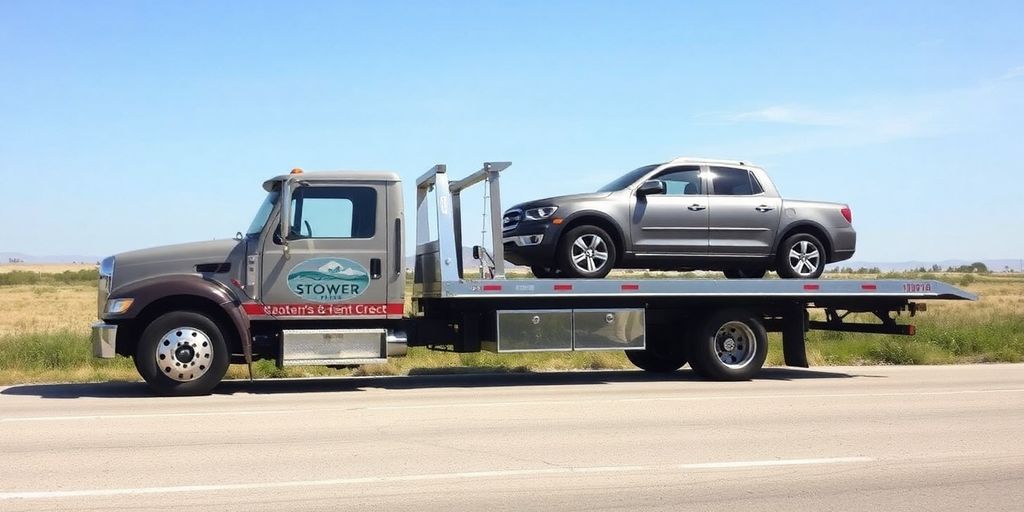
When your car breaks down, you need a tow, right? But did you know there’s more than one way to get it done? Traditional towing, often called hook and chain towing, involves attaching your vehicle to the tow truck with, well, hooks and chains. Your car is then dragged (partially) on its own wheels. Flatbed towing, on the other hand, uses a flat platform where your entire vehicle sits. Think of it like giving your car a ride on a giant, metal skateboard.
Why Choose Flatbed Over Hook and Chain?
Okay, so why would you pick a flatbed over the old-school method? There are a few good reasons. For starters, flatbeds are much safer for your car. With traditional towing, there’s a risk of damage to your car’s suspension, tires, and even the frame. Flatbeds eliminate this risk because your car isn’t rolling at all. Plus, flatbeds are better for certain types of vehicles, like all-wheel-drive cars or anything with low ground clearance.
Here’s a quick rundown:
- Safety: Flatbeds minimize damage risk.
- Vehicle Type: Flatbeds are suitable for AWD, lowered, or luxury vehicles.
- Distance: Flatbeds are better for long tows.
Flatbed towing is generally the preferred method for most situations because it reduces the risk of further damage to your vehicle during transport. It’s like choosing the gentle option when you’re already having a bad day.
Cost Considerations
Now, let’s talk about money. Flatbed towing can be a bit more expensive than traditional towing. This is because flatbed trucks are bigger, require more specialized equipment, and the service is generally more involved. However, consider this: the extra cost might be worth it to avoid potential damage to your vehicle. Think of it as an investment in protecting your car. It’s always a good idea to get quotes from a few different towing companies to compare prices and services. You might find that the peace of mind a flatbed offers is worth the extra few dollars.
Choosing the Right Towing Service
Finding the right towing service can feel overwhelming, especially when you’re already dealing with a vehicle breakdown or accident. It’s important to choose a company that’s reliable, trustworthy, and equipped to handle your specific needs. Here’s what you should consider:
What to Look for in a Towing Company
When selecting a towing company, several factors should influence your decision. You want a company that offers more than just a tow; you need peace of mind.
- Reputation: Check online reviews and ask for recommendations from friends or family. A company with a solid reputation is more likely to provide quality service.
- Response Time: Time is of the essence when you’re stranded. Inquire about their average response time, especially during peak hours.
- Insurance and Licensing: Ensure the company is fully insured and licensed to operate in your area. This protects you from liability in case of an accident or damage during the tow.
- Equipment: A reputable company should have a well-maintained fleet of tow trucks, including flatbeds, to handle various vehicle types and situations.
Questions to Ask Before Hiring
Before you commit to a towing service, it’s wise to ask a few key questions. This helps you understand their policies and ensures they can meet your needs.
- What is the estimated cost? Get a clear and upfront estimate of the towing charges, including any additional fees for mileage, after-hours service, or special equipment.
- Are you insured and licensed? Always verify their credentials to protect yourself from potential liability.
- What type of tow truck will you use? Ensure they have the appropriate equipment for your vehicle, especially if it’s an all-wheel-drive, luxury, or classic car.
- What is your estimated arrival time? Get a realistic estimate of when they will arrive at your location.
Understanding Towing Costs
Towing costs can vary depending on several factors. Understanding these factors can help you avoid surprises and negotiate a fair price.
- Distance: Most companies charge per mile, so the further your vehicle needs to be towed, the higher the cost.
- Vehicle Type: Heavier or larger vehicles may require specialized equipment and incur higher towing fees.
- Time of Day: After-hours, weekend, or holiday tows often come with premium rates.
- Service Type: Flatbed towing may be more expensive than traditional hook and chain towing due to the equipment and expertise required.
It’s always a good idea to get a written estimate before authorizing a tow. This protects you from unexpected charges and provides a clear record of the agreed-upon price. Don’t hesitate to ask for clarification on any fees or charges you don’t understand.
Flatbed Towing Equipment and Techniques
Types of Flatbed Tow Trucks
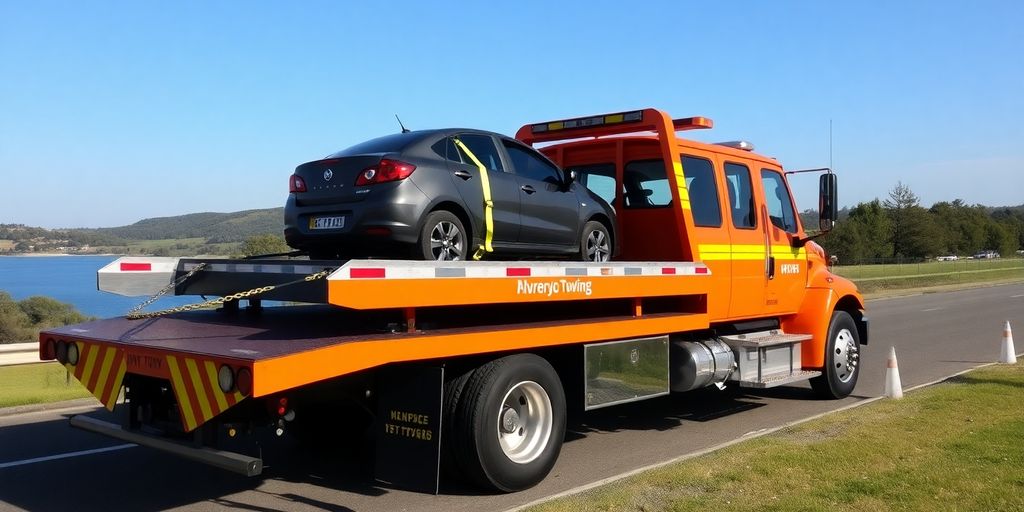
When you think of a tow truck, you might picture the classic hook and chain. But flatbed tow trucks are a different beast altogether. They come in various sizes and configurations, each designed for specific tasks. There are light-duty flatbeds, perfect for cars and smaller vehicles. Then you have medium-duty trucks, which can handle larger SUVs and vans. And finally, heavy-duty flatbeds are built for big rigs and equipment. The type of truck used depends entirely on the vehicle being towed.
- Light-Duty Flatbeds: Ideal for cars and small SUVs.
- Medium-Duty Flatbeds: Suited for larger SUVs, vans, and some trucks.
- Heavy-Duty Flatbeds: Designed for large trucks, buses, and heavy equipment.
Loading and Unloading Procedures
Loading and unloading a vehicle onto a flatbed might seem simple, but it requires precision and care. The process usually involves a winch system. The tow truck operator will carefully position the flatbed, often using hydraulics to tilt the bed down to ground level. Then, using the winch, the vehicle is slowly and steadily pulled onto the flatbed. Safety is paramount during this process, and experienced operators take every precaution to avoid damage.
- Position the flatbed and tilt it to ground level.
- Attach the winch cable to the vehicle’s frame.
- Slowly and steadily winch the vehicle onto the flatbed.
Securing Vehicles for Transport
Once the vehicle is on the flatbed, it needs to be secured properly. This is where straps and chains come into play. These restraints are strategically placed to hold the vehicle firmly in place, preventing any movement during transport. The goal is to ensure the vehicle doesn’t shift, slide, or bounce around while on the road.
Securing a vehicle for transport is not just about tightening straps. It’s about understanding the vehicle’s weight distribution, its anchor points, and the best way to distribute the tension to prevent any damage during transit. A properly secured vehicle is a safe vehicle.
- Use appropriate straps and chains for the vehicle’s weight.
- Secure the vehicle at multiple anchor points.
- Check and re-tighten straps periodically during long trips.
Common Misconceptions About Flatbed Towing
Flatbed Towing Is Only for Luxury Cars
It’s a common thought that flatbed towing is only for fancy sports cars or vintage vehicles. While it’s true that flatbeds are often used for these types of vehicles due to the extra care they provide, that’s not the only time they’re useful. Flatbed towing is a great option for any vehicle that needs to be transported safely and without adding extra miles or wear and tear. Think about it:
- All-wheel drive vehicles benefit greatly.
- Cars with low clearance avoid damage.
- Even everyday sedans can be transported more securely.
Flatbed Towing Is More Expensive
Many assume that because flatbed towing offers superior protection, it automatically comes with a much higher price tag. While it can sometimes be a bit more expensive than traditional towing, the difference isn’t always significant, and the added benefits often outweigh the extra cost. Consider these points:
- The cost difference might be smaller than you think.
- You’re paying for peace of mind and damage prevention.
- Some companies offer competitive rates for flatbed services.
Choosing a flatbed can save you money in the long run by preventing damage that could lead to costly repairs. It’s an investment in the safety of your vehicle.
Flatbed Towing Is Complicated
Some folks think that flatbed towing involves a complicated process, requiring special skills and equipment. While it’s true that professional training is essential for tow truck operators, the actual process is quite straightforward and efficient. Here’s a simplified view:
- The flatbed is hydraulically lowered to ground level.
- The vehicle is carefully driven or winched onto the bed.
- The vehicle is secured with straps and chains.
It’s a smooth, controlled process designed to minimize any risk to your vehicle.
Many people have wrong ideas about flatbed towing. Some think it’s only for big trucks, while others believe it can’t handle smaller vehicles. In reality, flatbed towing is great for all kinds of cars and trucks. It’s safe and keeps your vehicle from getting damaged. If you want to learn more about flatbed towing and clear up any confusion, visit our website for more information!
Wrapping It Up: When to Choose Flatbed Towing
So, there you have it! Flatbed towing is a smart choice for many situations. Whether you’re dealing with a fancy car, a four-wheel drive, or just want to avoid any extra wear and tear, flatbed towing has your back. It’s safer, quicker, and helps keep your vehicle in better shape. Next time you find yourself in need of a tow, think about going with a flatbed. It might cost a bit more, but the peace of mind and protection for your vehicle? Totally worth it.
Frequently Asked Questions
What is flatbed towing?
Flatbed towing is a method where a vehicle is loaded onto a flat, open platform called a flatbed truck. This keeps all four wheels off the ground during transport.
When should I use flatbed towing?
You should use flatbed towing for all-wheel drive vehicles, classic cars, or when transporting a vehicle over a long distance to avoid damage.
What are the benefits of flatbed towing?
Flatbed towing is safer, prevents damage to the vehicle, and reduces wear and tear. It also saves time because the loading process is quicker.
How does flatbed towing work?
The tow truck driver assesses the vehicle, positions the flatbed, loads the vehicle using a winch, and secures it with straps before driving to the destination.
Is flatbed towing more expensive than traditional towing?
Flatbed towing can be more expensive, but the added cost is often worth it for the safety and protection it offers to your vehicle.
Can any vehicle be towed on a flatbed?
Yes, flatbed towing can accommodate a variety of vehicles, from cars and motorcycles to heavy equipment, making it a versatile option.